


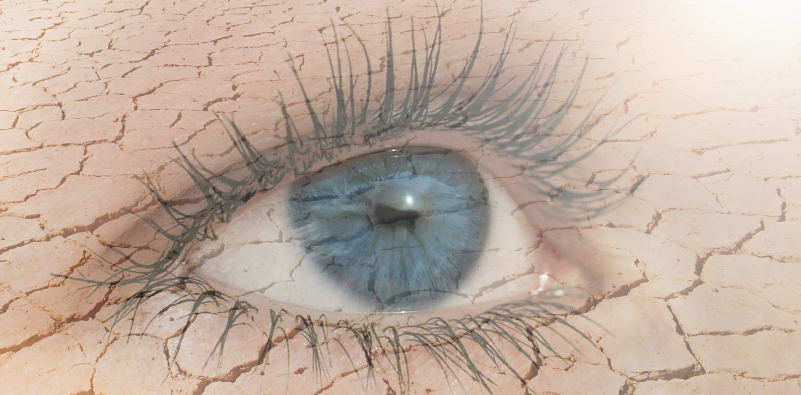
Dry, irritated eyes can become much more noticeable during Calgary’s summer months. More time outdoors, warm weather, wind, pollen, air conditioning and fans can all affect how comfortable your eyes feel. If you are looking for dry eye treatment in Calgary because your eyes feel gritty, watery, tired or intermittently blurry, it may help to understand what is driving those symptoms. At Urban Eyecare, we take a personalized approach to dry eye care, looking beyond temporary relief to identify the factors that may be affecting your tear film and day-to-day comfort.
What is dry eye, and why does your tear film matter?
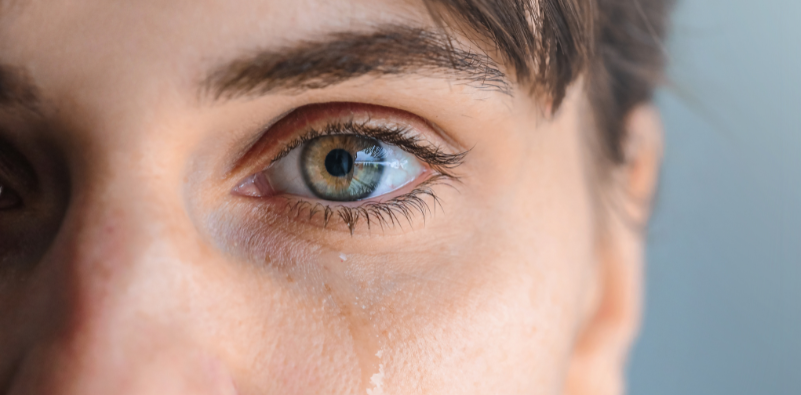
Dry eye occurs when your eyes do not produce enough tears, when tears evaporate too quickly, or when the tear film is not stable enough to keep the eye’s surface consistently lubricated. Healthy tears do more than make your eyes feel comfortable: they help keep the surface of the eye smooth, protected and clear for good vision.
Because there are different dry eye causes, two people with similar discomfort may need different approaches. That is why simply reaching for the same eye drops each time may not address what is contributing to ongoing symptoms.
What dry eye symptoms can show up during summer?
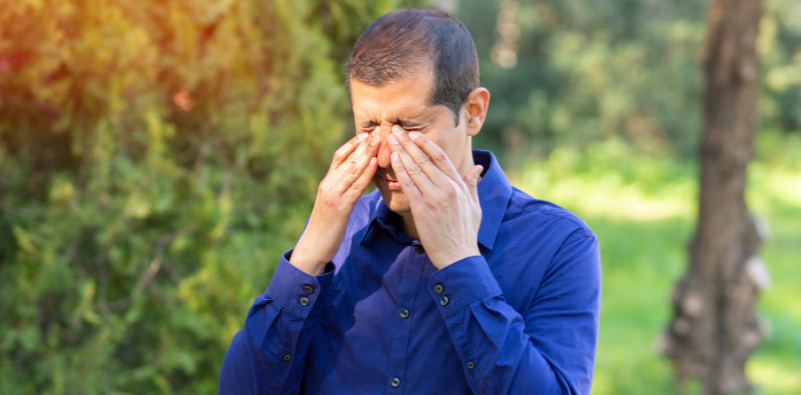
Dry eye symptoms do not always feel like obvious dryness. Some people notice burning, stinging or a gritty “something in my eye” sensation. Others experience redness, watery eyes, fluctuating or blurry vision, eye fatigue, or discomfort with contact lenses.
Watery eyes can be especially confusing. When the eye’s surface becomes irritated, reflex tearing may occur, so eyes can water even when the underlying problem involves an unstable or inadequate tear film. Symptoms can also change through the day, depending on your environment, screen use, contact lens wear and other factors.
Why can summer make dry eyes feel worse in Calgary?

Several common summer conditions can make the tear film less stable or increase irritation:
- Heat: Warm conditions may increase tear evaporation, especially when the air is dry.
- Wind: Outdoor wind can speed up evaporation from the eye’s surface and leave eyes feeling gritty or uncomfortable.
- Pollen: Seasonal allergens may irritate the eyes and contribute to redness, watering or itching.
- Dehydration: Hot days, exercise and time outdoors can make it easier to fall behind on fluid intake, which may add to overall eye discomfort.
- Air conditioning and fans: Moving, dry indoor air can increase evaporation, particularly when airflow is directed toward your face.
Small changes, such as redirecting fans, taking regular breaks from screens, staying hydrated and wearing sunglasses outdoors, may help some people. However, persistent symptoms may need a closer look.
When should you consider a professional dry eye assessment?
A dry eye assessment can help identify why your eyes are uncomfortable and which treatment options are most appropriate. At Urban Eyecare, we consider your symptoms and health history alongside tear-film quality and stability, eyelid and ocular-surface health, contact lens wear, and relevant environmental or lifestyle factors.
This matters because dry eye is not a one-size-fits-all condition. Symptoms may be linked to reduced tear production, faster evaporation, eyelid or oil-gland changes, allergies, contact lens wear, medications, health conditions or a combination of factors. A Calgary optometrist can also consider whether another source of irritation or watering may be contributing. Our comprehensive eye exams also include advanced dry eye testing using MYAH technology.
How does MYAH technology support dry eye treatment?
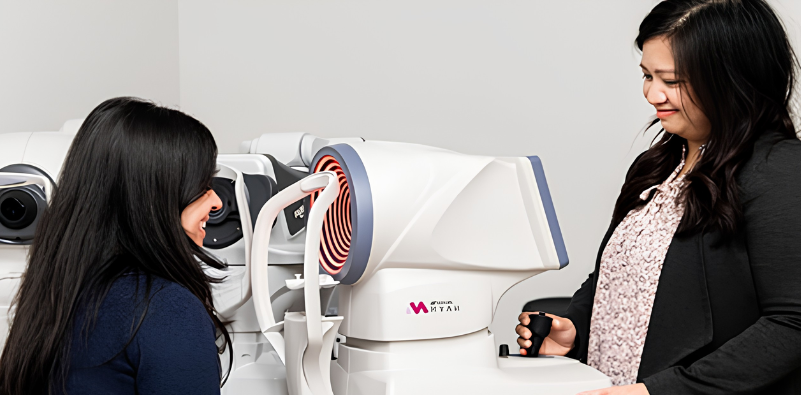
Urban Eyecare uses MYAH technology as part of our advanced dry eye testing. MYAH includes dedicated dry eye assessment tools that help our optometrists evaluate the tear film and gather objective information about factors that may be contributing to your symptoms.
The goal is not to make your appointment more complicated. It is to give your eye doctor in Calgary more useful information so treatment can be better matched to what is happening with your eyes. This supports a more accurate, personalized management plan rather than relying on symptoms alone.
How do you treat dry eyes when symptoms keep returning?
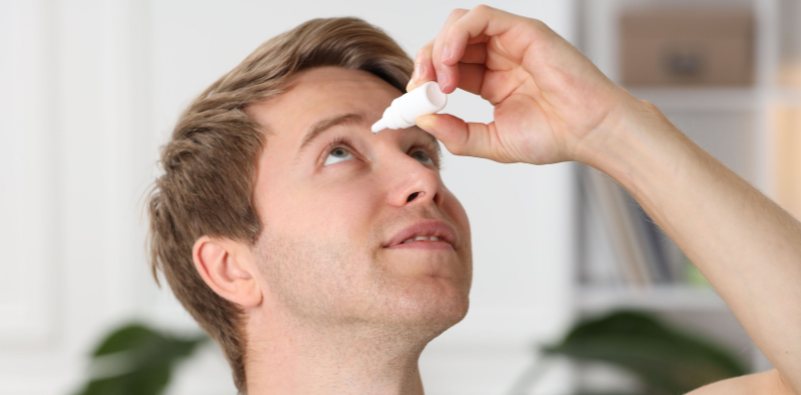
If you are wondering how to treat dry eyes, the answer depends on the cause, severity and pattern of your symptoms. Your plan may include professional advice and practical changes to your daily routine, along with targeted dry eye treatment options.
Depending on your assessment, recommendations may include specialized lubricating eye drops, eyelid hygiene and lid care, omega-3 supplements, warm compresses or other therapeutic approaches. For some patients, prescription medications may be appropriate. Urban Eyecare also offers advanced in-office treatments such as LipiFlow, which uses heat and gentle pressure to address blocked oil glands, and BlephEx, which provides professional eyelid cleaning when indicated.
The aim is to build a plan that supports more consistent comfort over time. If you wear contact lenses, your optometrist can also consider how lens type, fit, wearing schedule and tear-film health may be affecting comfort.
Where can you get dry eye treatment in Calgary?

Persistent summer dry eye symptoms do not have to be accepted as part of the season. If dryness, watering, irritation, eye fatigue or fluctuating vision keeps returning, a professional assessment can help identify the likely causes and guide a treatment plan suited to your eyes and lifestyle.
If you have been searching for a dry eye clinic in Calgary, Urban Eyecare offers personalized dry eye care at our two Calgary locations. Book a dry eye assessment with our team today and take the next step toward more comfortable eyes this summer.